Label the wave worksheet isn't just a formality—it's a critical step in organizing creative projects, classroom activities, or physical product labeling. Proper labeling ensures clarity, reduces errors, and streamlines workflows. However, the approach to creating effective labels depends on context, whether it’s for educational materials, food packaging, or industrial signage. Understanding the nuances of design, tool selection, and application context can transform a simple label from a missed detail into a functional asset.
Why Labeling Matters in Workflow Efficiency
Labels act as bridges between content and audience. Without clear labeling, users struggle to locate specific worksheets, instructions become ambiguous, and time is wasted troubleshooting mistakes. For example, a "label the wave worksheet" used in a classroom must clearly indicate its purpose—whether it’s for students to practice wave diagrams, identify elements of a physics concept, or annotate artistic wave motifs. Misaligned labeling can lead to confusion, particularly in collaborative environments where multiple templates coexist.
Choosing the Right Design Approach
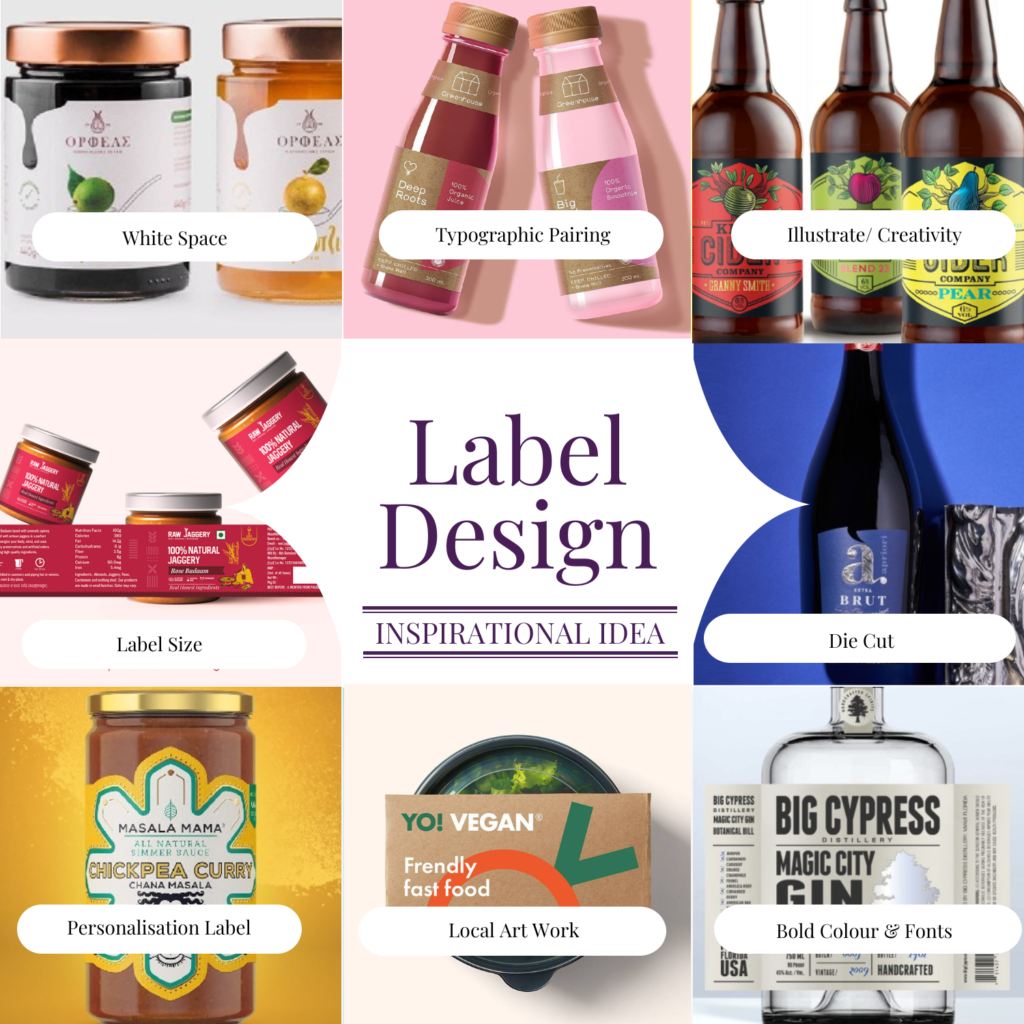
Effective label design balances readability with brand alignment. Simple, sans-serif fonts like Arial or Helvetica ensure legibility across sizes, while strategic use of white space prevents clutter. When applying these principles to "label the wave worksheet," consider how the label integrates with existing templates. A minimalist design might work for a digital worksheet, while bold colors and textures could be necessary for physical classroom use. The goal is to create a design that’s instantly recognizable yet functional within the worksheet’s context.
Tools and Templates for Consistent Output
Digital tools like Canva, Adobe Illustrator, or even spreadsheet software can simplify label creation. Templates for "label the wave worksheet" often include pre-formatted sections for titles, instructions, and metadata. For example, a physics worksheet might require labels for waves, amplitude, and frequency, each positioned consistently to maintain cognitive ease for students. Pre-built templates also reduce the risk of misalignment when printing or sharing files digitally.
File Formats and Compatibility Considerations
When finalizing a "label the wave worksheet," file format choices impact accessibility. PDFs preserve design integrity across devices, while vector formats like SVG offer scalability for printed materials. However, compatibility with editing software, sharing platforms, and accessibility standards must also factor in. For educational use, ensure labels are compatible with screen readers by including text descriptions or alt text for digital distributions.
Real-World Applications and Industry Standards

Labeling takes on heightened importance in industries like food packaging or product manufacturing. While "label the wave worksheet" might seem niche, its principles mirror broader labeling strategies. For instance, food labels must adhere to regulatory standards, include ingredient lists, and prioritize quick recognition. Lessons from these industries—such as prioritizing key information hierarchy—apply equally to educational labels, where a clear title and instructions should stand out first.
Measuring Success with Feedback Loops
Even the best-designed "label the wave worksheet" benefits from iterative improvement. Collecting feedback from users—students, colleagues, or clients—reveals blind spots in clarity or aesthetics. Questions like, “Was the label placement intuitive?” or “Did the design aid comprehension?” help refine future iterations. This process ensures labels evolve alongside user needs rather than remaining static relics of past workflows.
Label the Wave Worksheet: Design Choices and Practical ApplicationsLabel the wave worksheet isn't just a formality—it's a critical step in organizing creative projects, classroom activities, or physical product labeling. Proper labeling ensures clarity, reduces errors, and streamlines workflows. However, the approach to creating effective labels depends on context, whether it’s for educational materials, food packaging, or industrial signage. Understanding the nuances of design, tool selection, and application context can transform a simple label from a missed detail into a functional asset.
Why Labeling Matters in Workflow Efficiency
Labels act as bridges between content and audience. Without clear labeling, users struggle to locate specific worksheets, instructions become ambiguous, and time is wasted troubleshooting mistakes. For example, a "label the wave worksheet" used in a classroom must clearly indicate its purpose—whether it’s for students to practice wave diagrams, identify elements of a physics concept, or annotate artistic wave motifs. Misaligned labeling can lead to confusion, particularly in collaborative environments where multiple templates coexist.
Choosing the Right Design Approach
Effective label design balances readability with brand alignment. Simple, sans-serif fonts like Arial or Helvetica ensure legibility across sizes, while strategic use of white space prevents clutter. When applying these principles to "label the wave worksheet," consider how the label integrates with existing templates. A minimalist design might work for a digital worksheet, while bold colors and textures could be necessary for physical classroom use. The goal is to create a design that’s instantly recognizable yet functional within the worksheet’s context.
Tools and Templates for Consistent Output
Digital tools like Canva, Adobe Illustrator, or even spreadsheet software can simplify label creation. Templates for "label the wave worksheet" often include pre-formatted sections for titles, instructions, and metadata. For example, a physics worksheet might require labels for waves, amplitude, and frequency, each positioned consistently to maintain cognitive ease for students. Pre-built templates also reduce the risk of misalignment when printing or sharing files digitally.
File Formats and Compatibility Considerations
When finalizing a "label the wave worksheet," file format choices impact accessibility. PDFs preserve design integrity across devices, while vector formats like SVG offer scalability for printed materials. However, compatibility with editing software, sharing platforms, and accessibility standards must also factor in. For educational use, ensure labels are compatible with screen readers by including text descriptions or alt text for digital distributions.
Real-World Applications and Industry Standards
Labeling takes on heightened importance in industries like food packaging or product manufacturing. While "label the wave worksheet" might seem niche, its principles mirror broader labeling strategies. For instance, food labels must adhere to regulatory standards, include ingredient lists, and prioritize quick recognition. Lessons from these industries—such as prioritizing key information hierarchy—apply equally to educational labels, where a clear title and instructions should stand out first.
Measuring Success with Feedback Loops
Even the best-designed "label the wave worksheet" benefits from iterative improvement. Collecting feedback from users—students, colleagues, or clients—reveals blind spots in clarity or aesthetics. Questions like, “Was the label placement intuitive?” or “Did the design aid comprehension?” help refine future iterations. This process ensures labels evolve alongside user needs rather than remaining static relics of past workflows.
Custom Shape Packaging Labels - Phoenixprint

Custom Shape Packaging Labels - phoenixprint
Packaging Tag Design At Gerard Ortega Blog

Packaging Tag Design at Gerard Ortega blog
16 Labels Per Page Template - Detrester.com

16 Labels Per Page Template - Detrester.com